
The Role of Diet in Cancer Prevention and Management
- ASMITA ADAWADKAR
- Oct 29, 2025
- 4 min read


Cancer is a complex disease influenced by many factors, including genetics, environment, and lifestyle choices. Among these, diet plays a crucial role in both preventing and managing cancer. While no single food can cause or cure cancer, a balanced and nutritious diet can significantly contribute to overall health and may help reduce the risk of developing certain types of cancer. This blog post explores the relationship between diet and cancer, highlighting key foods and dietary patterns that can support cancer prevention and management.

Understanding the Connection Between Diet and Cancer
Research indicates that dietary choices can significantly influence cancer risk. For example, studies show that diets rich in fruits, vegetables, whole grains, and lean proteins are associated with a 25% lower risk of developing various cancers. On the contrary, diets high in processed foods, red meats, and added sugars can increase the risk of cancers, such as colorectal and breast cancer.
The World Health Organization (WHO) emphasizes the importance of a healthy diet in cancer prevention. They recommend consuming a variety of nutrient-rich foods to maintain a healthy weight and support the immune system, as obesity poses a significant risk factor for several types of cancer.
Key Dietary Components for Cancer Prevention
Fruits and Vegetables
Fruits and vegetables are rich in vitamins, minerals, and antioxidants—essential for protecting cells from damage. Antioxidants help neutralize free radicals, reducing oxidative stress that can lead to cancer. Aim to fill half your plate with fruits and vegetables. For instance, consuming 7 servings of fruits and vegetables daily is linked to a 30% reduced risk of some cancers.
Whole Grains
Whole grains, such as brown rice, quinoa, and whole wheat products, are excellent sources of fiber. Studies show that fiber intake is associated with a 22% lower risk of colorectal cancer. Additionally, fiber supports digestion and can help regulate body weight, further reducing cancer risk.
Lean Proteins
Incorporating lean proteins from sources like fish, poultry, beans, and legumes is beneficial. These options provide essential nutrients but contain lower saturated fats than red and processed meats. Research indicates that reducing red meat intake can lower the risk of colorectal cancer by approximately 15-20%.
Healthy Fats
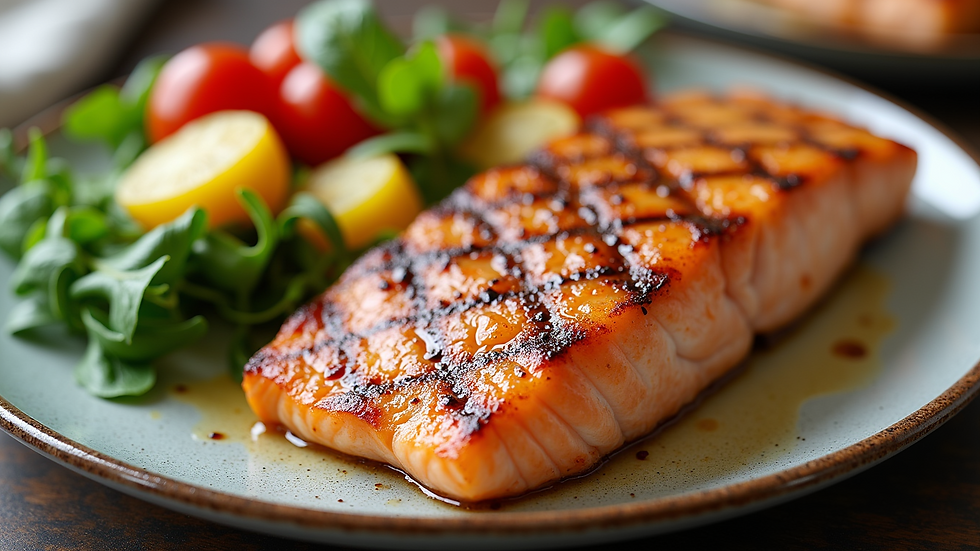
Choosing healthy fats can significantly impact overall wellness. Sources like avocados, nuts, seeds, and olive oil provide heart-healthy fats. Omega-3 fatty acids, particularly from fatty fish like salmon, are known for their anti-inflammatory properties, which may help lower cancer risk. Studies suggest that individuals consuming at least 2 servings of fatty fish per week may reduce their risk of certain cancers.
Foods to Limit or Avoid
While focusing on a healthy diet, it is equally important to recognize foods that may increase cancer risk.
Processed Foods
Highly processed foods often contain unhealthy fats, sugars, and additives that can lead to obesity and inflammation. Research shows that individuals consuming processed foods more than four times a week are at a 30% higher risk of cancer compared to those who consume them less frequently. Opt for whole foods to maintain a healthy weight and reduce cancer risk.
Sugary Beverages
Sugary drinks like sodas and sweetened juices contribute to weight gain and obesity. Studies indicate that consuming one sugary drink daily can lead to a 20% increased risk of certain cancers. Instead, choose water, herbal teas, or unsweetened beverages to stay hydrated and control calorie intake.
Alcohol
Excessive alcohol intake is linked to increased risks of various cancers, including breast and liver cancer. Limiting alcohol consumption to one drink per day for women and two for men can help reduce associated risks.
The Role of Diet in Cancer Management
For those diagnosed with cancer, nutrition becomes even more integral. A well-balanced diet can help manage treatment side effects, maintain strength, and support recovery.
Nutritional Needs During Treatment
Cancer treatments, such as chemotherapy and radiation, can impact appetite and digestion. It's crucial for patients to focus on nutrient-dense foods that provide energy and essential nutrients to support the body during treatment. Foods like smoothies packed with fruits, yogurt, and spinach can be a delicious option for those struggling to eat.
Hydration
Staying hydrated is vital, especially during treatment. Water, herbal teas, and broths can aid hydration and support overall health. Health experts recommend drinking at least 8-10 cups of fluids daily to help manage side effects.
Consult a Professional
Working with a registered dietitian or nutritionist can provide personalized dietary recommendations tailored to individual needs and treatment plans. They can guide individuals through dietary restrictions and ensure that nutritional needs are satisfied.
Final Thoughts
While no one food can cause or cure cancer, a balanced and nutritious diet is crucial for cancer prevention and management. By focusing on various fruits, vegetables, whole grains, lean proteins, and healthy fats, individuals can support their overall health and potentially reduce their cancer risk.
Remember that dietary choices are only one facet of a healthy lifestyle. Regular physical activity, maintaining a healthy weight, and avoiding tobacco are all vital components of wellness. By making informed dietary choices and adopting a comprehensive approach to health, individuals can empower themselves in the fight against cancer.


Comments